Cardiac apprehension does not announce itself. One moment a person is chatting at a bbq, the next they are on the ground, unresponsive, and not breathing normally. The mins that comply with issue greater than the majority of people recognize. A reliable CPR course offers you a practiced routine to draw on when adrenaline spikes and great motor skills go fuzzy. It replaces panic with a plan.
Over the years, I have coached moms and dads, lifeguards, office teams, and tradies with their first compressions. I have additionally viewed knowledgeable medical professionals get rusty in between recertifications. The pattern is consistent. Expertise fades unless you utilize it, and confidence comes from touching the manikin, listening to the comments click, and running drills with a fitness instructor who presses you past polite hesitation. If you are taking into consideration a first aid course or especially a CPR course, this guide sets out what you will experience and how to show up ready, both literally and mentally.
Why CPR training deserves your time
Survival from out-of-hospital cardiac arrest depends upon early CPR and fast access to a defibrillator. In numerous areas, spectator CPR increases or triples the odds of survival. That is not marketing language, it reflects huge computer system registry studies across metropolitan and country setups. Compressions keep oxygenated blood moving to the brain and heart. A computerized outside defibrillator, or AED, can reset a fatal rhythm if used within the first few minutes.
Most heart attacks take place in your home. If you visualize a stranger on a walkway, adjust the psychological photo to a living room, a bedroom, or a cooking area floor. The individual you aid is likely someone you recognize. That is why a first aid and CPR course is a solid investment for moms and dads, carers, and any individual supervising groups, from instructors to childcare workers. Companies construct CPR training right into their threat monitoring for a reason, yet the life you save may be much from your workplace.
Choosing the ideal course format
First, make a decision whether you need stand-alone CPR training or a broader first aid and CPR course. A stand-alone cpr course focuses on recognition of heart attack, high-quality compressions, rescue breaths when suggested, AED usage, and standard choking alleviation. It is portable and usually arranged as a brief session. A complete first aid course wraps CPR right into a bigger collection of skills, consisting of hemorrhaging control, burns, cracks, diabetic emergencies, asthma, anaphylaxis, stroke acknowledgment, seizures, and ecological injuries. If your duty needs a first aid certificate for compliance, read your market requirements. Childcare, building and construction, healthcare, and fitness frequently specify precise components or training course codes and recertification intervals.
Delivery styles vary. Conventional classroom courses fit people that find out best by doing and asking inquiries in actual time. Mixed training courses let you full theory online, after that participate in a much shorter in-person practical to show skills. This alternative interest move employees and regional participants who can not spare a full day on website. For CPR correspondence course requires, a shorter practical update can maintain you compliant and certain, particularly if you currently hold a present first aid certificate and simply need to restore the CPR component.
Reputation issues. A supplier with experienced trainers, clear training manikins with comments, and practical scenarios makes a distinction. Try to find fitness instructors who have area experience, such as paramedics, nurses, or remote location very first aiders. Ask how they handle little class dimensions, since you desire time on the manikin and calm trainer feedback. Suppliers that concentrate on first aid training, such as First Aid Pro and various other well established companies, usually supply versatile routines, group reservations, and workplace training on site.
What you will actually do in a CPR class
Expect to work. You will certainly stoop, you will sweat a little, and your triceps muscles will whine by the 2nd round. Great teachers speed the session so the method rounds develop instead of exhaust you in the first ten minutes.

After a short concept segment that covers heart physiology and chain of survival, you will certainly move to the flooring. You will certainly practice a scene check to ensure security, analyze responsiveness with a shoulder tap and a loud concern, and check for normal breathing. Agonal gasps often throw novices off. Instructors purposefully resemble those uneven, realizing breaths that are not effective, so you learn to treat them as an indicator of cardiac arrest, not reassurance.
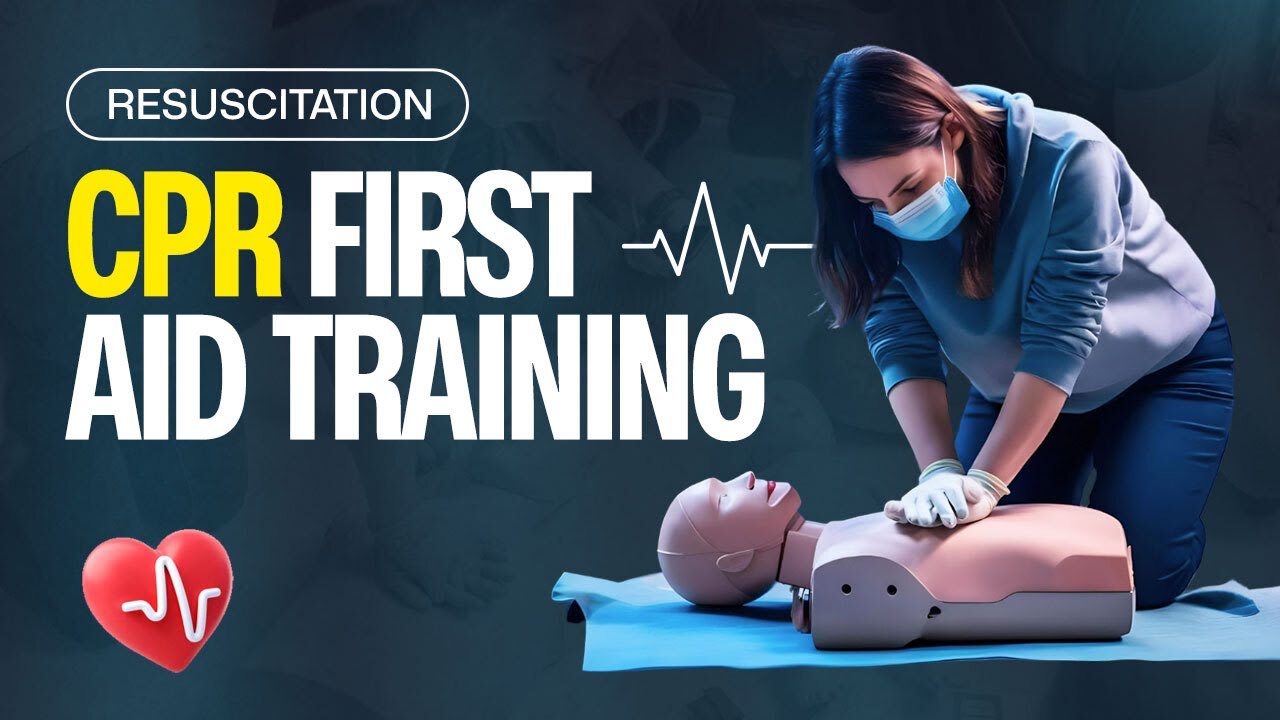
You will discover the appropriate hand placement for compressions on an adult manikin, secure your elbow joints, get your shoulders over your hands, and push to the right deepness. The training criterion for adults remains about 5 to 6 centimeters at a rate around 100 to 120 compressions per min. Some manikins have a built-in remote control or light system to guide deepness and price. Others count on teacher monitoring and your own checking. You will also exercise recoil, because leaning on the breast in between compressions limits blood return and reduces perfusion.
Rescue breaths come next if your training level needs them. With a pocket mask or shield, you will practice sealing the mask, turning the head, raising the chin, and providing two sluggish breaths that make the upper body increase without compeling air right into the tummy. Many contemporary cpr courses educate compression-only CPR for inexperienced rescuers or when you hesitate or incapable to supply breaths. The program will certainly still explain how and when breaths matter, especially in pediatric situations or sinking where hypoxia drove the collapse.
The AED segment is often the most empowering. You will certainly open up the instance, turn the gadget on, and follow its prompts. AEDs are made for laypeople, but there are information to solve. Right pad placement, eliminating too much chest hair with the provided razor if HLTAID011 First Aid Course Campbelltown needed, ensuring the chest is dry, and maintaining every person clear throughout rhythm evaluation and shock delivery all take practice. Fitness instructors will certainly allow you run several cycles so you feel the rhythm of compressions, pauses, analysis, and shock, then directly back to compressions.

Infant and child adjustments are covered in a lot of first aid and cpr courses. You will change compression depth and technique for smaller sized chests, decrease breath quantity, and technique back strikes and breast drives for choking infants. This part can be emotional for moms and dads and carers, and a sensitive instructor will certainly provide you time and area while still ensuring you CPR Course Joondalup obtain hands-on practice.
Finally, you will run through sensible scenarios. The trainer may present a bystander that worries, a slippery setting, a jampacked office corridor, or a collapsed colleague on a sporting activities area with spectators shouting guidance. These situations build situational judgment that pure concept never develops.
What to put on, bring, and expect physically
Dress for the floor. Loosened trousers or pants with some stretch, a tee shirt or polo, and closed shoes are useful. Skirts and limited gown trousers make stooping uncomfortable. If you have knee concerns, bring a knee pad or ask the fitness instructor for a mat. You will certainly spend a number of collections of two to five minutes doing compressions. That does not sound like much till you do it. Most trainees are winded after the very first proper set.
Bring a canteen, any called for ID, and the scheduling confirmation. If the session is blended, complete the online component ahead of time and bring the certification or email revealing completion. If you wear reading glasses and expect to make use of a pocket mask, keep them helpful. Some masks call for an accurate seal, and you will certainly wish to see clearly.
If you have a shoulder, wrist, or back problem, tell your fitness instructor before method starts. They can help you adjust placing, swap duties, or share collections. The real life hardly ever lets you remain, yet training needs to not injure you. A great instructor will also demonstrate just how to revolve rescuers every 2 minutes to preserve compression top quality, a practice that makes good sense on scene when you have actually help.
How courses are analyzed and exactly how certificates are issued
Assessment typically mixes theory with sensible demonstration. The theory may be a brief test that examines your understanding of recognition, compression rate and depth, AED security, and the steps of the action plan. Practical analysis involves performing a complete cycle of grown-up CPR with proper compressions, breaths if indicated, and AED use. For combined first aid and cpr courses, you will demonstrate additional abilities like bleeding control and recovery position.
Most companies release an electronic first aid certificate or CPR certificate by email within a day or more when evaluation is total. Some can release same-day certifications, which helps if you require evidence for a task beginning. Keep the certification in an area you can recover fast. If your role is examined, you will be asked to reveal your currency.
How commonly you must refresh
Skills decay is not individual, it is human. Research studies reveal measurable decline in CPR compression deepness and price within a couple of months if you do not exercise. That is why numerous companies advise or require a cpr refresher course every one year, also if your wider first aid certificate is valid for longer. Risky duties sometimes revitalize every 6 months. If your workplace has a manikin or an AED trainer, short self-practice sessions in between official programs can aid keep your muscle memory sharp.
Signs it is time to reserve a refresher
If you are reluctant while picturing the series, if you can not define AED pad positioning without examining an image, or if you have actually never practiced with a baby manikin in spite of taking care of a child, routine a refresher. Actual self-confidence comes from current method, not remote memory.
The emotional side of genuine rescues
Textbook CPR is tidy. Genuine rescues are unpleasant. The individual on the flooring may be a partner or a coworker you saw at lunch. Their chest may crack as you compress. This is not an indicator you are doing damage, it is a recognized impact when pushing difficult adequate to relocate the sternum. There might be vomit, snoring audios from a blocked respiratory tract, or troubled family members. Sound, sweat, and the clock all conspire to rattle you.
Good cpr training addresses tension administration. Taking a breath control in between turnings, utilizing brief phrases to coordinate with spectators, and sticking to the regular stop spiraling. After a real occasion, debrief. If your office has a staff member aid program, use it. Instructors who have operated in the field can share straightforward grounding techniques and remind you of an essential truth: doing something is always much better than freezing.
Special factors to consider for different environments
Workplaces differ. An office has carpeted floors, limited conference room, and maybe a locked first aid cupboard. A factory has sound, relocating equipment, and prospective chemical risks. A pool deck has water almost everywhere and bare, damp skin, which matters when making use of an AED. A first aid training service provider with experience across setups will certainly tailor situations to your environment.
Parents and carers seek pediatric emphasis. Ask for a first aid and cpr course that includes child and baby components as non-negotiable. Sports trains frequently require extra web content on head injuries, spinal safety measures, and heat ailment. Remote job teams gain from extended first aid courses that cover improvisation and interaction with rescue control when feedback times stretch from mins to hours. For browse lifesaving or marine facilities, sinking reaction and hypothermia management take priority.
What makes direction effective
I court a training course by a couple of markers:
- The ratio of method time to lecture leans heavily toward practice. Instructors provide details, actionable feedback, such as "press from your hips and lift your wrists a millimeter to let the upper body rebound," not obscure praise. Scenarios include onlooker monitoring, AED troubleshooting, and environmental hazards. Manikins give feedback on deepness and price, and trainers examine hand positioning, recoil, and breath volume. The course recognizes restrictions. If the scene is unsafe, do not go into. If a defibrillator is not offered, press without pause and send out someone to find one.
These characteristics, discovered in solid first aid courses, differentiate "tick package" training from ability that stands up under pressure.
AED misconceptions that training gets rid of up
People fret about stunning the wrong individual. AEDs assess heart rhythm and will certainly not encourage a shock if the rhythm is not shockable. You can put pads on an individual with a pacemaker, though you stay clear of placing a pad directly over the device bulge. Upper body hair can interfere with pad attachment, which is why AED sets include a razor. If the person is damp, you dry the breast quickly. If they are on a steel surface area, like a swimming pool ladder or a damp aluminum bench, guarantee no one is touching them throughout analysis or shock. The device voice triggers overview you through all of this, and in training you will listen to and follow those prompts until they end up being 2nd nature.
How to prepare your mind and room after the course
Skills discolor without repetition, so plan short refreshers. Area the AED location on your phone notes with a picture. Walk the path from your desk or typical area to the tool. If you live in an apartment complex, learn if there is an AED in the entrance hall or gym. On a household level, store a pocket mask in your auto glovebox and a pair of nitrile gloves in your knapsack. If you run a sports club, consist of a CPR drill in pre-season training and appoint clear duties for who calls emergency situation solutions, who fetches the AED, and that fulfills the rescue at the gate.
For those who have finished a first aid and cpr course, set schedule pointers. At month three, evaluate your notes and see a reputable refresher course video clip from your training service provider. At month 6, practice compressions on a company padding for a minute while maintaining count with a metronome set to 110. It is not a substitute for official renewal, however it maintains the movement pattern alive.
The makeup of a strong emergency situation call
You will practice calling the emergency number as component of your cpr training. Small details help dispatchers send the right assistance fast. Offer the specific address, nearby cross road, and any type of gain access to codes. State clearly that the individual is not breathing generally which you are starting CPR. Put the phone on audio speaker at the individual's side. The call-taker will certainly coach you. Response in short phrases in between compressions. If you are solo, do not leave the client unless you need to fetch an AED and there is no one else to send out. If you have a team, designate duties. The individual on the phone should not leave that role till paramedics arrive, unless they are rotating in to compress.
Choking action and where CPR fits
Many first aid courses consist of choking protocols, which often wind up adjacent to CPR technique. For adults and kids who are mindful and choking, cycles of back strikes and abdominal drives can remove the air passage. If the person becomes unresponsive, you lower them to the floor, call for assistance, begin CPR, and check the mouth for noticeable things in between cycles. Rescue breaths in this context often provide sufficient positive stress to move an obstruction. Training helps you make these transitions efficiently, without throwing away time.
Costs, time, and functional planning
Expect a stand-alone CPR course to run in between 2 and 4 hours, relying on whether theory is blended online. A complete first aid and cpr course can take a half day to a complete day. Prices differs by region and company, and group bookings typically lower per-person expenses. Ask if your carrier supplies on-site training at your office, which conserves travel time and allows you practice in the atmosphere where you are more than likely to respond.
If you need a first aid certificate for compliance, check validity durations. Many regions recognize 3 years for the broad first aid credential, with annual CPR refreshers advised or called for. Watch on program codes and updates. Guidelines advance about every five years as global councils assess evidence. Good providers update training course content quickly, and a cpr correspondence course is a straightforward method to line up with the most up to date recommendations.
A quick story from the field
A center supervisor in her fifties scheduled a first aid training session for her group. She virtually canceled, arguing quarter-end targets would certainly experience. 2 weeks later on, a stockroom specialist broke down near the filling dock. The closest AED hung 30 meters away in the break area. One of https://rentry.co/hnfe3kh5 her group relocated the pallet jack to clear floor room, another called for an ambulance with the exact gate number, and she began compressions. A third teammate dashed for the AED. The first shock came within three minutes. The male left health center a couple of days later, eager to give thanks to individuals that had touched his sternum hard enough to bruise and had kept going while the gadget reanalyzed. Later on, over coffee, the manager said the drills had actually felt uncomfortable at the time. Standing in the storage facility, they were everything.
What to anticipate after a genuine event
If you carry out CPR, you will feel off-kilter later. That is typical. Anticipate unsteady hands, replay loopholes in your head, and concerns concerning whether you did enough. Debrief with your team and, if available, with the reacting paramedics. List what you keep in mind while it is fresh. Inform your training supplier, especially if your office has a support agreement. Some providers supply post-incident follow-up, and they can help you refine the experience, correct any type of voids, and advise an earlier refresher if needed.
Getting started
Book the program. If you have been hesitating, pick a date 4 to 6 weeks out, inform your manager or family members, and commit. Pick a trustworthy first aid training supplier with solid testimonials and instructors that have real-world experience. Determine whether you require a full first aid and cpr course or a concentrated cpr course with an alternative for revival yearly. If you already hold a credential and feel unclear, routine a cpr correspondence course as opposed to awaiting the expiry date.
One final note. The best compression does not exist beyond training areas. Genuine rescues reward perseverance and adherence to the fundamentals. Press set on the facility of the upper body, let it increase fully, minimize stops, utilize an AED as soon as it shows up, and collaborate your team. That is the spinal column of every effective feedback strategy, whether you learned it in a compact CPR course or as component of extensive first aid courses. As soon as you have that back, whatever else you add - much better team effort, ecological understanding, pediatric subtleties - strengthens your ability to act when secs count.